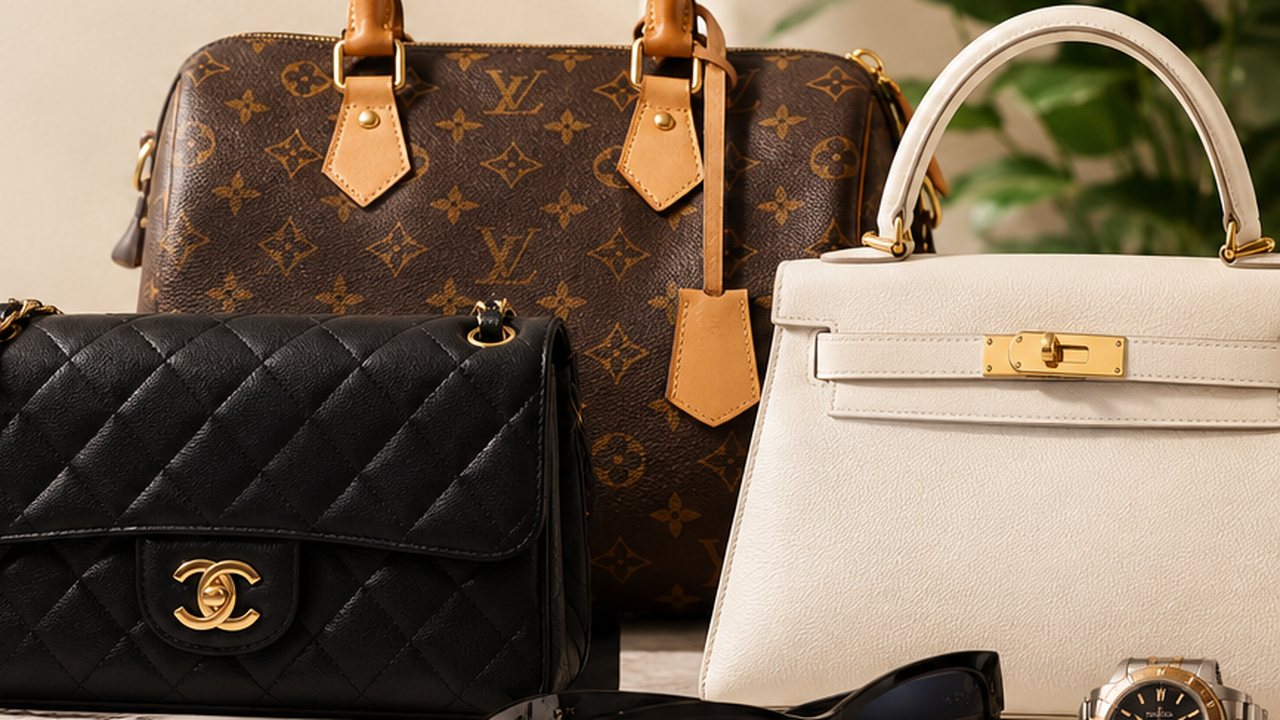
The Australian Guide to Buying Pre-Owned Designer Handbags
By Aethelles · Published 30 October 2026
Buying a pre-owned designer handbag can be a way to explore distinctive styles, older collections and established designs while considering a product that has had a previous owner. The key is to understand exactly what is being offered. A careful buyer looks beyond the brand name and considers the item's condition, photographs, materials, dimensions, included accessories and the retailer's product information.
Start with the individual product listing. Check the brand and model details, colour, material, size and any other specifications provided. If the exact model name is uncertain, do not assume that a similar-looking product is the same model. Ask the retailer for clarification before purchasing if an important detail is missing.
Condition is one of the most important factors when buying pre-owned. Look closely at the corners, handles, straps, base, lining, seams, closures and hardware. Depending on the material and how the bag has been used, signs of wear may include scratches, rubbing, creasing, colour transfer, stains, odour, loose stitching or changes in shape. Not every item will show all these signs, and some may have imperfections that are difficult to see in a single photograph.
Photographs should help you understand the actual item. Look for clear images from multiple angles, including close-ups of areas likely to show wear. If the listing does not show a detail that matters to you, ask whether further photographs or information are available. Do not rely only on stock images when assessing the condition of a specific pre-owned product.
Check what is included. A bag may be listed with a dust bag, box, detachable strap, pouch, receipt or other accessory, but these items should never be assumed. Only treat an accessory or document as included if the product listing expressly says so. Packaging and accessories can affect convenience and presentation, but their presence alone does not establish authenticity.
Understand the retailer's inspection process. A retailer may inspect a pre-owned item internally and describe observable details. Internal inspection and independent authentication are not the same thing. Ask what checks are performed and what limitations apply. No single feature, such as stitching, a date code, serial number, logo, stamp or hardware detail, can by itself prove that a luxury item is genuine. Counterfeit products can imitate visible details, and construction can vary across models and production periods.
Consider the practical details before paying. Review the final price, shipping charges, delivery estimate, payment options and returns policy. Read the product description carefully and keep a copy of the listing and order confirmation. Australian Consumer Law may provide consumer guarantees that apply to purchases, including second-hand goods, although the way a guarantee applies depends on the circumstances and the nature of the product.
Finally, choose a bag that suits your actual needs. Think about capacity, weight, strap length, closure, organisation, material care and how often you expect to use it. A beautiful item may not be the right everyday choice if it does not fit what you carry or how you use a bag.
At Aethelles, customers can explore available pre-owned designer pieces through the online store. Review each listing's photographs, condition notes and item-specific details before purchasing. If you need more information about a particular item, contact Aethelles before placing your order.
Pre-purchase checklist: confirm the listed brand and model; inspect all photographs; read condition notes; check measurements and materials; confirm exactly what is included; understand the retailer's inspection process; review shipping and returns information; and ask questions before checkout if anything is unclear.